
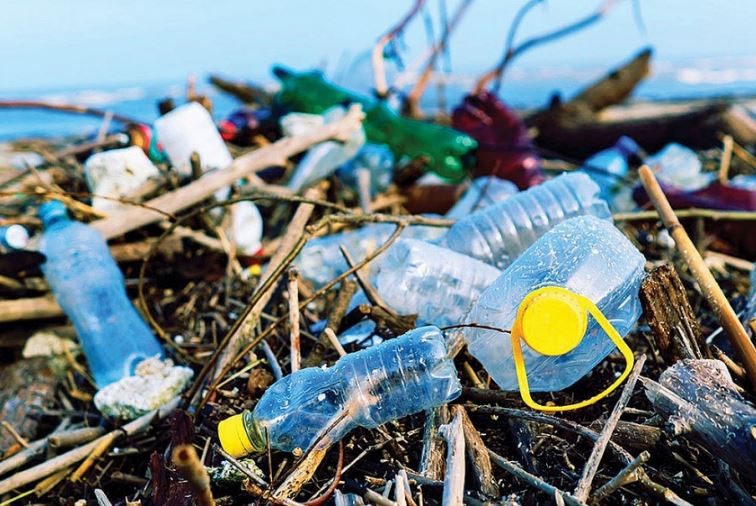
International Agreement to Control Plastic Pollution
Plastic pollution isn’t just an environmental buzzword—it’s a full-blown global crisis. Every year, the world churns out over 400 million tons of plastic, and a huge chunk of that ends up polluting our oceans, rivers, and landscapes. From plastic bags floating in the sea to microplastics found in the deepest ocean trenches and even in human bloodstreams—plastic is everywhere.
But here’s the catch: No single country can fix this alone. That’s where the international agreement to control plastic pollution steps in—a powerful, legally binding treaty that aims to unite the world in this urgent fight.
The Scale of Plastic Pollution
Statistics on Plastic Production and Waste
Let’s put things into perspective. Since the 1950s, more than 8 billion tons of plastic have been produced. Shockingly, over 75% of it has become waste, either in landfills, burned, or leaked into the environment.
Environmental Impacts of Plastic
Plastic is choking wildlife. Turtles mistake bags for jellyfish. Birds feed bottle caps to their chicks. Coral reefs are being suffocated by microplastics. And once it’s out there, it doesn’t just disappear—it can take hundreds of years to decompose.
Human Health Concerns
Microplastics are now in our water, food, and even our lungs and blood. Scientists are still studying the full health effects, but early research links plastic exposure to hormone disruption, inflammation, and potential fertility issues.
Previous Global Efforts and Their Shortcomings
Voluntary Agreements and Their Limits
We’ve seen plenty of voluntary agreements, like pledges to reduce single-use plastics or boost recycling rates. But here’s the truth—voluntary rarely means effective. Countries can back out or underperform without any real consequences.
Role of the UN and Past Conventions
The United Nations Environment Programme (UNEP) has long recognized the need for action, but previous conventions like the Basel Convention only scratched the surface when it came to plastic pollution.
The Push for a Legally Binding Treaty
What Makes It Different from Past Efforts
Unlike past efforts, this new treaty is about accountability. Countries won’t just “promise” to act—they’ll be legally obligated to meet targets, report progress, and face consequences if they fail.
Support from Countries and Organizations
Over 175 nations have supported drafting this treaty. Major environmental organizations and even some corporate giants have backed it, recognizing that a healthy planet is essential for long-term prosperity.
Key Objectives of the Global Plastic Treaty
Reducing Plastic Production
The treaty aims to cap or reduce plastic production, especially virgin plastics made from fossil fuels. The goal is to cut the problem at its source.
Managing Plastic Waste Responsibly
It includes global standards for waste collection, sorting, and recycling to ensure plastic doesn’t leak into the environment—especially in low-income countries lacking infrastructure.
Promoting Circular Economy Principles
Instead of “make, use, toss,” a circular economy focuses on reuse, repair, recycling, and designing products for longevity. The treaty encourages this mindset shift worldwide.
Timeline and Milestones
Key Negotiation Rounds
Negotiations kicked off in 2022 and are expected to wrap up by the end of 2025. Multiple rounds are taking place globally, hosted by UNEP.
Expected Adoption and Implementation Dates
If successful, the treaty could be formally adopted in 2026, with implementation beginning in 2027. However, timelines may vary depending on political will and funding.
Stakeholders Involved
Governments
From superpowers to small island nations, governments play a key role in shaping regulations, enforcing bans, and funding cleanup and recycling programs. International Agreement to Control Plastic Pollution
Environmental NGOs
Groups like Greenpeace, WWF, and the Plastic Pollution Coalition are providing research, public pressure, and watchdog support to keep things on track.
Private Sector and Manufacturers
Some companies are resisting change, but others are embracing innovation. Think biodegradable packaging, reusable delivery models, and plastic-free supply chains.
Scientific and Research Bodies
These folks are tracking the movement of microplastics, assessing toxicity, and developing new materials to replace plastic in everyday products.
Challenges Facing the Agreement
Economic Interests vs Environmental Priorities
Let’s be real—plastic is cheap, durable, and profitable. Some industries (especially oil and petrochemicals) are heavily invested in plastic, making reduction politically sensitive. International Agreement to Control Plastic Pollution
Differences Between Developed and Developing Nations
Not every country has the same capacity. The treaty must ensure fairness, offering financial and technical support to nations that need help building recycling systems or shifting away from plastic.
Enforcing Compliance
Even with a treaty, enforcement is tricky. How do you punish countries that ignore the rules? There must be strong monitoring mechanisms and real consequences.
Role of Innovation and Alternatives
Biodegradable Materials
Researchers are developing plant-based plastics that break down naturally—some even made from seaweed, mushrooms, or corn starch.
Reuse and Recycling Technologies
Smart bins, chemical recycling, and AI sorting tech are revolutionizing how we deal with waste.
Consumer Behavior Changes
Reusable bags, refill stations, bulk shopping, zero-waste stores—it all adds up. When consumers demand better, companies listen.
International Agreement to Control Plastic Pollution
Rwanda’s Plastic Ban
Since 2008, Rwanda has banned plastic bags—yes, over a decade ago! Streets are cleaner, and the country is a model for others. International Agreement to Control Plastic Pollution
EU’s Single-Use Plastic Directive
In 2021, the EU banned items like plastic straws, cutlery, and Styrofoam. They’re also pushing eco-design standards and producer responsibility.
India’s Phased Plastic Restrictions
India is rolling out restrictions in phases, targeting International Agreement to Control Plastic Pollution
International Agreement to Control Plastic PollutionInternational Agreement to Control Plastic PollutionInternational Agreement to Control Plastic PollutionInternational Agreement to Control Plastic PollutionInternational Agreement to Control Plastic Pollution

CDLB
Central Digital Library of Bangladesh (CDLB) is a website and app through which a student of any age can get his desired information service with minimal effort and in the shortest possible time. Here all the branches of knowledge have been divided into 10 parts. It will help you to get the best information to survive in today’s competitive world.
Comments (0)